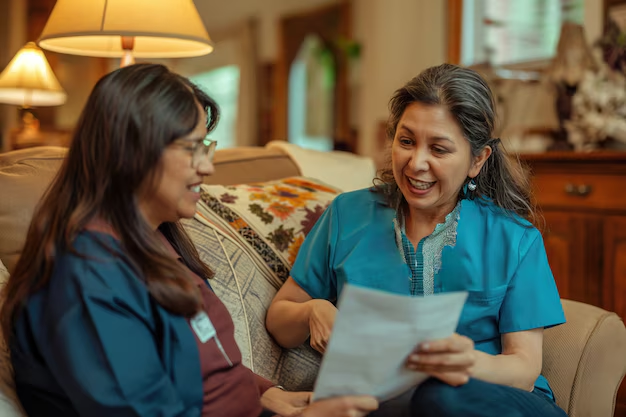

Growing older doesn’t mean giving up independence or vitality. Across Pune, Nagpur, and cities throughout India, countless seniors are proving that aging gracefully is not just possible—it’s achievable through simple, consistent daily practices. The key to elder independence lies not in expensive treatments or drastic lifestyle changes, but in nurturing healthy habits for elderly individuals that compound over time.
Whether you’re a senior looking to maintain your autonomy or a family member supporting an aging parent, understanding these evidence-based senior health tips can transform the golden years into a time of continued purpose, dignity, and wellness.
Why Daily Habits Matter More Than You Think
For seniors, consistency matters far more than intensity. A regular routine provides structure, maintains cognitive function, and creates a sense of control that’s essential for mental wellbeing. Research shows that older adults who maintain daily healthy routines experience better physical health, sharper minds, and greater emotional resilience.
The habits we’ll explore aren’t complicated medical protocols—they’re practical, achievable actions that fit naturally into everyday life. These aging gracefully tips have helped thousands of Indian seniors maintain their independence while reducing reliance on full-time caregivers.
Habit 1: Start Every Morning with Purposeful Movement
Physical activity is the cornerstone of elder independence. You don’t need gym memberships or intense workout sessions—gentle, consistent movement works wonders for senior health.
Why Movement Matters for Seniors
As we age, muscle mass naturally decreases (sarcopenia), balance becomes more challenging, and joints can stiffen. Regular movement counteracts these changes, maintaining strength, flexibility, and coordination. More importantly, it prevents falls—the leading cause of injury-related hospitalizations among Indian seniors.
Practical Morning Movement Routine
Gentle stretching (10 minutes): Begin in bed with ankle rotations, leg lifts, and arm stretches. This warms up muscles and improves circulation before you stand.
Breathing exercises (Pranayama): Practice anulom vilom (alternate nostril breathing) or deep belly breathing. This traditional practice enhances oxygen flow, calms the mind, and supports cardiovascular health.
Short walks: A 15-20 minute morning walk in your society compound or nearby park—preferably after sunrise when air quality improves in cities like Pune and Nagpur. Walking maintains bone density, supports heart health, and provides valuable vitamin D exposure.
Chair exercises: For those with mobility limitations, seated exercises including arm raises, seated marches, and gentle torso twists maintain muscle tone without strain.
Important Safety Considerations
Always wear proper footwear with good grip, use walking aids if needed without embarrassment, and avoid exercising during extreme weather. If you experience dizziness, chest pain, or unusual shortness of breath during movement, consult a doctor immediately. Doctor at Door provides home visits for seniors in Pune and Nagpur, making it easy to get medical guidance without leaving your comfortable environment.
Habit 2: Maintain a Consistent, Nutritious Eating Schedule
Proper nutrition becomes increasingly vital with age, yet many seniors struggle with appetite changes, difficulty preparing meals, or digestive issues. A structured eating routine addresses these challenges while providing essential nutrients.
The Three-Meal Foundation
Breakfast (8-9 AM): Never skip this crucial meal. Include protein (eggs, paneer, or dal), complex carbohydrates (oats, roti, or dosa), and healthy fats (nuts or ghee). A balanced breakfast stabilizes blood sugar and provides sustained energy.
Lunch (12-1 PM): Make this your largest meal when digestive fire (agni in Ayurveda) is strongest. Include dal or legumes for protein, seasonal vegetables, whole grain roti or rice, and a small serving of yogurt for gut health.
Light dinner (7-8 PM): Eat at least two hours before bed. Choose easily digestible options like khichdi, vegetable soup, or simple dal-rice. Avoid heavy, spicy, or fried foods that can disrupt sleep.
Essential Senior Health Tips for Nutrition
Hydration is non-negotiable: Seniors often lose their sense of thirst. Set reminders to drink water throughout the day—aim for 6-8 glasses. Include hydrating foods like cucumber, watermelon, and buttermilk.
Protein at every meal: Aging bodies need more protein to maintain muscle mass. Include dal, legumes, eggs, fish, chicken, paneer, or curd daily.
Calcium and Vitamin D: Protect bone health with dairy products, ragi, sesame seeds, and morning sunlight exposure. If deficient, your doctor may recommend supplements.
Fiber for digestive health: Whole grains, vegetables, and fruits prevent constipation, a common senior concern. Start with small portions if you’re not used to fiber-rich foods.
Limit salt and sugar: High blood pressure and diabetes are prevalent among Indian seniors. Use herbs and spices for flavor instead of excessive salt, and satisfy sweet cravings with fruit.
Meal Preparation Solutions
Cooking can become challenging with arthritis, reduced energy, or vision problems. Consider meal preparation help from family members, tiffin services for seniors, or simplified recipes requiring minimal chopping and stirring. Many families in Pune and Nagpur are finding success with weekly meal planning and batch cooking on weekends.
Habit 3: Prioritize Quality Sleep with a Bedtime Routine
Sleep quality often deteriorates with age due to medication side effects, chronic conditions, or anxiety. Yet restorative sleep is crucial for physical recovery, cognitive function, and emotional wellbeing—all essential aspects of aging gracefully.
Creating a Sleep-Conducive Environment
Comfortable temperature: Keep your room cool but not cold. Use cotton bedding that breathes well in India’s climate.
Darkness and quiet: Use curtains to block light and minimize noise disturbances. If complete silence is uncomfortable, try gentle instrumental music or nature sounds.
Comfortable mattress and pillows: Invest in proper support for aching joints and back pain. Replace old, sagging mattresses that worsen discomfort.
Evening Wind-Down Routine (9-10 PM)
Digital sunset: Stop using phones, tablets, and television at least one hour before bed. Blue light disrupts melatonin production, making sleep difficult.
Warm bath or foot soak: Add Epsom salts or a few drops of lavender oil. This relaxes muscles and signals your body that sleep time approaches.
Light reading or prayer: Spiritual practices like reading religious texts, meditation, or prayer calm the mind and provide comfort.
Avoid stimulants: No tea, coffee, or heavy meals after 7 PM. If you must have something, choose warm milk with a pinch of turmeric—a traditional sleep aid.
Herbal support: Ashwagandha or chamomile tea (with doctor’s approval) can promote relaxation without medication side effects.
Addressing Common Sleep Disruptions
Frequent bathroom trips, pain, or breathing difficulties can interrupt sleep. Don’t ignore these issues—they often indicate treatable conditions. If sleep problems persist despite good habits, consult a physician. Doctor at Door brings experienced doctors to your home in Pune and Nagpur for comfortable consultations about sleep concerns and any health issues affecting your rest.
Habit 4: Engage Your Mind Daily Through Meaningful Activities
Cognitive decline isn’t inevitable with aging. The brain remains capable of forming new connections throughout life—a phenomenon called neuroplasticity. Regular mental stimulation maintains sharp thinking, memory, and problem-solving abilities essential for elder independence.
Diverse Brain-Boosting Activities
Reading: Newspapers, magazines, or books keep you informed and engaged. Join a library or book club for social interaction alongside reading.
Puzzles and games: Crosswords, Sudoku, playing cards (rummy, solitaire), or chess challenge your brain in enjoyable ways. Mobile apps offer convenient options, but don’t abandon traditional paper versions if you prefer them.
Learning new skills: Take up a hobby you’ve always wanted to try—painting, learning a musical instrument, gardening, or even basic smartphone navigation. The learning process itself builds cognitive reserve.
Language practice: If you know multiple languages, use them regularly. Teach grandchildren your mother tongue or learn a new language through apps designed for seniors.
Memory exercises: Practice remembering shopping lists, phone numbers, or daily events. Keep a journal to document memories and experiences.
Social Engagement: The Often-Forgotten Cognitive Booster
Isolation damages cognitive health as much as any physical ailment. Regular social interaction—whether with family, friends, or community groups—stimulates conversation skills, emotional processing, and mental alertness.
Stay connected: Regular phone calls or video chats with family members living elsewhere maintain relationships despite distance.
Community participation: Join senior citizens’ groups, religious gatherings, or hobby clubs. Many societies in Pune and Nagpur have active senior communities.
Intergenerational bonding: Spending time with grandchildren provides joy while keeping you mentally active through play, storytelling, and teaching.
Volunteering: Contributing to your community through temple activities, teaching skills to youngsters, or mentoring provides purpose and cognitive stimulation.
Managing Technology for Connection
While smartphones can seem daunting, they’re powerful tools for elder independence. Ask family members to teach you WhatsApp for staying connected, YouTube for entertainment and learning, or digital payment apps for financial autonomy. Start with one feature at a time—there’s no rush.
Habit 5: Regular Health Monitoring and Proactive Medical Care
Perhaps the most crucial healthy habit for elderly individuals is staying on top of health through consistent monitoring and timely medical intervention. Prevention and early detection are far more effective—and less expensive—than treating advanced conditions.
Essential Daily Health Checks at Home
Blood pressure monitoring: If you have hypertension, check readings at the same time daily. Keep a log to share with your doctor.
Blood sugar testing: Diabetic seniors should monitor glucose levels as prescribed. Maintain a record and note patterns related to meals or activities.
Weight tracking: Unexplained weight loss or gain can signal health issues. Weigh yourself weekly at the same time.
Medication adherence: Use pill organizers, set phone reminders, or ask family to help track that you’re taking medications correctly and on time.
Symptom awareness: Don’t dismiss new symptoms as “just old age.” Pay attention to changes in appetite, energy, bowel habits, sleep, or mood.
Regular Medical Check-ups Schedule
Quarterly reviews (every 3 months): For seniors with chronic conditions like diabetes, hypertension, or heart disease. These visits allow medication adjustments and early problem detection.
Semi-annual check-ups: For relatively healthy seniors. Monitor vital signs, review medications, and address concerns before they become serious.
Annual comprehensive screening: Complete blood work, cardiac assessment, bone density scans, eye examination, and cancer screenings appropriate for your age.
Specialist consultations: Regular visits to cardiologists, endocrinologists, ophthalmologists, or other specialists managing specific conditions.
Making Healthcare Accessible and Stress-Free
Traditional clinic visits can be challenging for seniors—navigating traffic, long waits in crowded spaces, difficulty with mobility, or concern about exposure to infections. These barriers often lead to delayed care or skipped appointments.
Home healthcare revolution: Doctor at Door brings this crucial habit within easy reach. Qualified physicians visit your home in Pune and Nagpur within 90 minutes, providing comprehensive consultations, examinations, and even basic diagnostic tests in your comfortable environment.
Benefits of home doctor visits:
- No travel stress or exposure to clinic crowds
- Comfortable examination in familiar surroundings
- More time with the doctor without rushed appointments
- Family members can easily participate in consultations
- Convenient for seniors with mobility challenges
- Reduced anxiety and better communication
When to seek immediate medical attention: Chest pain, severe breathlessness, sudden weakness or numbness, high fever, severe abdominal pain, or significant changes in mental status require urgent evaluation. Don’t delay—timely intervention can be lifesaving.
Creating Your Personalized Senior Wellness Routine
These five habits work synergistically—each supports the others. Movement improves sleep quality, good nutrition fuels physical activity, mental stimulation reduces stress that affects sleep, and regular health monitoring ensures you can maintain all other habits safely.
Starting Small: The Sustainable Approach
Don’t try implementing everything simultaneously. Choose one habit to focus on for two weeks until it feels natural, then add another. This gradual approach prevents overwhelm and creates lasting change rather than temporary efforts.
Week 1-2: Morning stretching routine Week 3-4: Add structured meal times Week 5-6: Implement bedtime routine Week 7-8: Introduce daily mental activity Week 9-10: Schedule regular health monitoring
Adapting Habits to Your Situation
Every senior’s situation differs. You might have arthritis limiting certain movements, dietary restrictions from medical conditions, or live alone without family support nearby. That’s okay—adapt these healthy habits for elderly individuals to your circumstances rather than abandoning them entirely.
For those with limited mobility: Focus on chair exercises, seated stretching, and cognitive activities. Even small movements matter.
For seniors living alone: Set phone reminders for meals and medications, join virtual senior groups for social connection, and establish regular check-in calls with family.
For those with chronic conditions: Work with your doctor to modify habits safely. Many activities can be adapted—the key is consistency, not perfection.
The Role of Family in Supporting Elder Independence
Family members play a crucial role in helping seniors maintain these habits without creating dependence. The goal is supportive facilitation, not taking over.
Encourage without controlling: Remind about habits gently rather than nagging. Celebrate successes and don’t criticize occasional lapses.
Provide practical support: Help with grocery shopping, meal preparation, or arranging doctor visits while letting seniors maintain decision-making control.
Stay vigilant but respectful: Watch for concerning changes in health or behavior, but respect privacy and autonomy. Not every decision requires intervention.
Facilitate social connections: Help set up video calls, arrange transportation to social events, or visit regularly yourself.
Leverage technology: Doctor at Door’s home visit service eliminates a major barrier to regular healthcare. Instead of coordinating complicated clinic visits, simply book a home appointment and let medical care come to your elderly parents in Pune or Nagpur.
Common Obstacles and How to Overcome Them
“I’m too old to start new habits”
It’s never too late to improve health. Studies show seniors who adopt healthy habits even in their 70s and 80s experience significant benefits. Start where you are, not where you wish you were.
“I don’t have energy for exercise”
This creates a cycle—inactivity causes low energy, which prevents activity. Start with just five minutes of gentle movement. Energy typically increases once you begin moving regularly.
“Healthy food doesn’t taste good”
Indian cuisine offers countless delicious, nutritious options. Experiment with herbs and spices for flavor without excess salt or sugar. Your taste preferences can adapt over time.
“I don’t want to burden my family”
Maintaining independence through these habits actually reduces burden. Preventive care and good health habits mean fewer emergencies and less need for intensive caregiving. Using services like home doctor visits means family doesn’t need to accompany you to clinics.
“Medical care is too expensive”
Prevention costs far less than treating advanced illness. Regular check-ups catch problems early when treatment is simpler and more affordable. Home visits eliminate transportation costs and time lost in clinic waits.
Measuring Success: What to Expect
Results won’t appear overnight, but consistent practice over weeks and months yields remarkable changes:
Physical improvements: Better balance, increased strength, improved stamina, reduced pain, better sleep quality
Cognitive benefits: Sharper memory, faster thinking, improved mood, reduced anxiety
Health metrics: Better controlled blood pressure and blood sugar, improved cholesterol, healthy weight maintenance
Quality of life: Greater independence, continued ability to perform daily activities, enhanced dignity and self-confidence
Most importantly, these aging gracefully tips help seniors maintain the autonomy that makes life meaningful—the ability to live in their own homes, make their own decisions, and participate fully in family and community life.
Your Partner in Healthy Aging: Doctor at Door
Maintaining elder independence shouldn’t mean navigating healthcare challenges alone. Doctor at Door understands the unique needs of seniors in Pune and Nagpur, providing compassionate medical care that respects your dignity while ensuring thorough health management.
Comprehensive home healthcare services:
- Regular health check-ups and monitoring
- Chronic disease management
- Medication reviews and adjustments
- Emergency consultations
- Diagnostic coordination
- Health counseling for seniors and families
Why seniors choose Doctor at Door:
- Experienced physicians comfortable with geriatric care
- 90-minute response time for urgent needs
- No stressful clinic visits or long waits
- Familiar, comfortable home environment
- Family can easily participate in consultations
- Continuity of care with the same doctor when possible
Looking Forward: Embracing Your Best Years
These five daily habits—purposeful movement, consistent nutrition, quality sleep, mental engagement, and proactive health monitoring—form the foundation of successful aging. They’re not restrictive rules but liberating practices that preserve the independence and vitality that make life worth living.
Remember, aging gracefully isn’t about denying the aging process but about optimizing health, maintaining capability, and preserving dignity throughout your senior years. Every senior in Pune, Nagpur, and beyond deserves to age with independence, purpose, and quality healthcare support.
Start today with one small change. Your future self will thank you for the gift of continued independence and vitality.
Ready to prioritize your health? Doctor at Door brings expert medical care to seniors in Pune and Nagpur within 90 minutes. Book a consultation today and experience healthcare that respects your independence while supporting your wellness journey.
Disclaimer: This information is for educational purposes and doesn’t replace personalized medical advice. Always consult qualified healthcare professionals for guidance specific to your health conditions and medications.